
Blog
Whether you’re outlining your first chapter or polishing your final draft, you’ll find practical guidance, editorial insight, and a steady nudge forward.
Browse by Topic
-
Editing & Revision
- Jul 28, 2026 A Realistic Timeline for Writing and Editing a Nonfiction Book Jul 28, 2026
- Jul 23, 2026 Why Great Editing Preserves Your Voice (Instead of Editing It Out) Jul 23, 2026
- Jun 27, 2026 What Is Copyediting, and When Do You Need It? Jun 27, 2026
- Jun 27, 2026 What Is Proofreading? Your Manuscript's Last Line of Defense Jun 27, 2026
- Jun 27, 2026 What Is Line Editing? The Service That Sharpens Your Voice Without Replacing It Jun 27, 2026
- Jun 20, 2026 Developmental Editing for Nonfiction: What It Is and When You Need It Jun 20, 2026
-
Editing Tips
- May 21, 2026 What Type of Editing Does Your Manuscript Need? May 21, 2026
- May 19, 2026 How to Self-Edit Your Nonfiction Manuscript May 19, 2026
-
Getting Started
- May 12, 2026 How to Outline a Nonfiction Book (With Templates and Examples) May 12, 2026
- May 8, 2026 How to Turn Your Expertise Into a Compelling Book May 8, 2026
- May 8, 2026 How to Start Writing a Nonfiction Book (When You Don’t Know Where to Start) May 8, 2026
-
Memoir/Personal Narrative
- Jun 30, 2026 How to Write a Memoir That Doesn't Read Like a Diary Jun 30, 2026
-
Reader Engagement
- Jun 25, 2026 The Psychology of Reader Engagement in Nonfiction Jun 25, 2026
- Jun 23, 2026 How to Build Credibility and Trust as a Nonfiction Author Jun 23, 2026
- Jun 9, 2026 Using Research In Your Writing Without Boring Readers Jun 9, 2026
- Jun 4, 2026 The Art of Clarity: How to Write Complex Ideas Simply Jun 4, 2026
-
Storytelling
- Jun 23, 2026 Storytelling in Nonfiction Writing Jun 23, 2026
-
Structure
- Jun 20, 2026 Developmental Editing for Nonfiction: What It Is and When You Need It Jun 20, 2026
- Jun 11, 2026 How to Craft a Strong Central Argument for Your Nonfiction Book Jun 11, 2026
- Jun 4, 2026 The Art of Clarity: How to Write Complex Ideas Simply Jun 4, 2026
- May 14, 2026 How to Structure a Nonfiction Book for Maximum Clarity and Impact May 14, 2026
- May 12, 2026 How to Outline a Nonfiction Book (With Templates and Examples) May 12, 2026
-
Writer Editor Collaboration
- Jul 21, 2026 Red Flags When Choosing a Nonfiction Editor (and What to Look For Instead) Jul 21, 2026
-
Writer-Editor Collaboration
- Jul 16, 2026 Writing Coach vs. Editor: Which One Do You Need? Jul 16, 2026
- Jul 14, 2026 Signs Your Nonfiction Manuscript Is Ready for Editing (or Not Quite Yet) Jul 14, 2026
- Jul 9, 2026 What to Expect When Working With a Nonfiction Editor Jul 9, 2026
- Jul 2, 2026 The Writer–Editor Relationship: What Collaboration Should Look Like Jul 2, 2026
-
Writing Mindset
- Jul 16, 2026 Writing Coach vs. Editor: Which One Do You Need? Jul 16, 2026
- Jul 14, 2026 Signs Your Nonfiction Manuscript Is Ready for Editing (or Not Quite Yet) Jul 14, 2026
- Jul 9, 2026 What to Expect When Working With a Nonfiction Editor Jul 9, 2026
- Jul 2, 2026 The Writer–Editor Relationship: What Collaboration Should Look Like Jul 2, 2026
- Jun 25, 2026 The Psychology of Reader Engagement in Nonfiction Jun 25, 2026
- Jun 23, 2026 The Mindset Shift Every Writer Needs Jun 23, 2026
- Jun 23, 2026 How to Build Credibility and Trust as a Nonfiction Author Jun 23, 2026
- May 28, 2026 The 7 Habits of Great Writers May 28, 2026
-
Writing Process
- Jul 28, 2026 A Realistic Timeline for Writing and Editing a Nonfiction Book Jul 28, 2026
-
Writing Tips
- Jun 23, 2026 The Mindset Shift Every Writer Needs Jun 23, 2026
- Jun 23, 2026 Storytelling in Nonfiction Writing Jun 23, 2026
- Jun 11, 2026 How to Craft a Strong Central Argument for Your Nonfiction Book Jun 11, 2026
- Jun 9, 2026 Using Research In Your Writing Without Boring Readers Jun 9, 2026
- Jun 4, 2026 The Art of Clarity: How to Write Complex Ideas Simply Jun 4, 2026
- May 28, 2026 The 7 Habits of Great Writers May 28, 2026
- May 26, 2026 The 5 Most Common Mistakes Writers Make (And the Simple Fixes) May 26, 2026
- May 14, 2026 How to Structure a Nonfiction Book for Maximum Clarity and Impact May 14, 2026
- May 12, 2026 How to Outline a Nonfiction Book (With Templates and Examples) May 12, 2026
- May 8, 2026 How to Turn Your Expertise Into a Compelling Book May 8, 2026
- May 8, 2026 How to Start Writing a Nonfiction Book (When You Don’t Know Where to Start) May 8, 2026
How to Write a Memoir That Doesn't Read Like a Diary
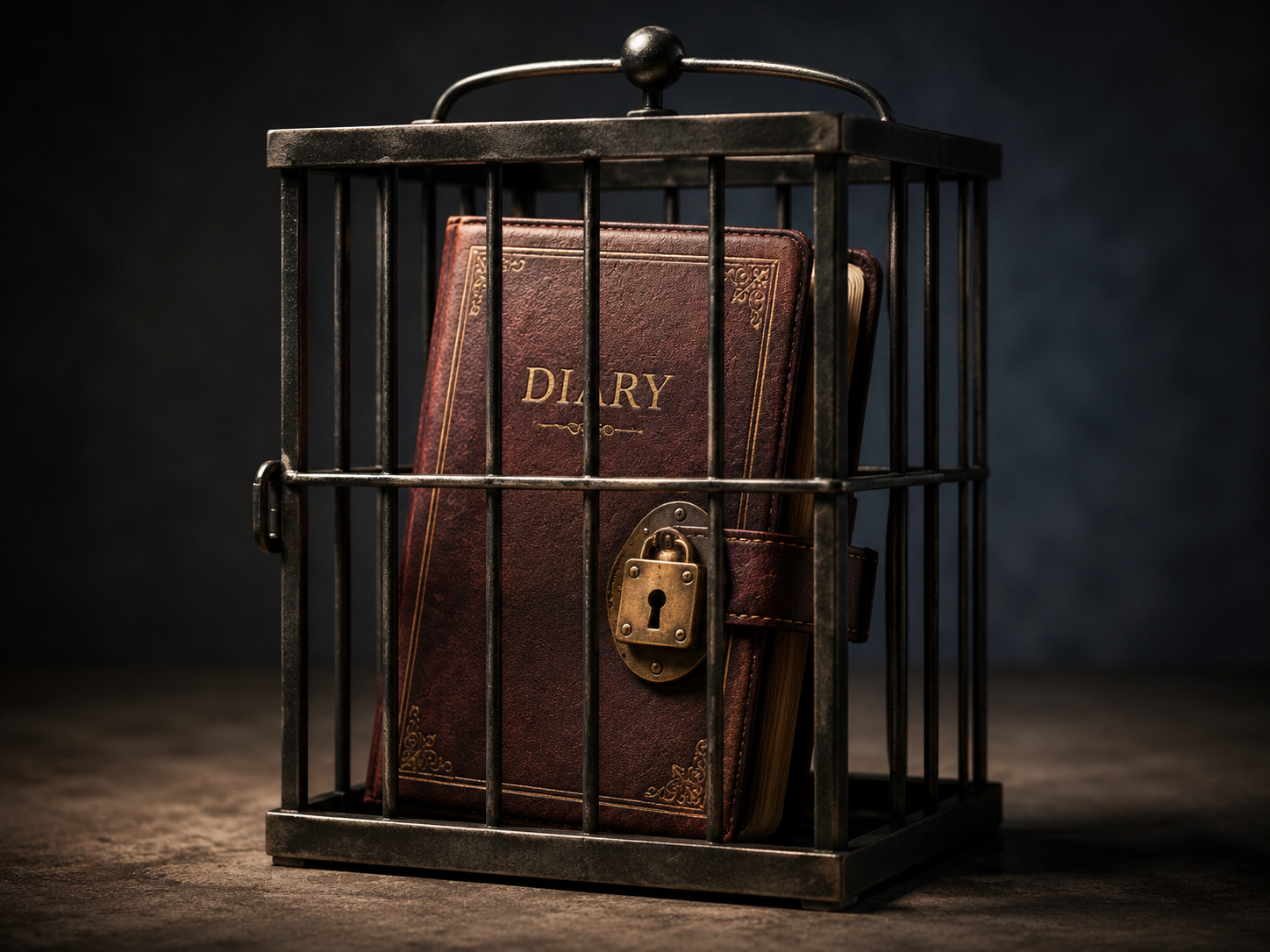
Several years ago, I came across the diary I got for my tenth birthday. Its cover, white with gold embossed letters, announces “My Diary” and features a gold lock. I immediately set out to digitally capture this treasure trove of life as a ten-year-old girl in suburban Pennsylvania during the seventies. I saw that I had written most days for an entire year. Wouldn’t that make the best Christmas gift for my three daughters?
Not really.
Here’s what most entries sound like: “I played with Sandy, Bev, and Fritzi. Bev was mean. She’s not my friend anymore.” “Today, Bev is my best friend.” “We played street hockey. My team lost.” “Same as yesterday.” “I like Timmy. We played tents and servants.” (Whatever that was!) “We had pizza at the mall. Steve was a bully.”
Granted, I was ten, and I’m grateful that I have that diary now (so many years later), but most entries were transactional and didn’t capture how I thought and functioned in my pre-teen world. Fast-forward to my adult journal entries, and they are interior monologues without much context. Turns out a diary at ten and a journal at forty share the same flaw—they record, but they don't reflect all the dynamics that bring those entries to life in a way that resonates with the reader.
The Diary Trap
A lot of memoir drafts have the same problem my diary did. The events are all there, faithfully recorded—but the meaning isn't.
Most memoir manuscripts that land on my desk open the same way: the writer's birth, or somewhere close to it. Then they march forward year by year, recording what happened in the order it happened. First this, then this, then this. By chapter four, I'm reading a very detailed account of someone's life, but there’s nothing for me to grab onto like a theme or a lesson learned.
That's the diary trap. After close to a decade editing memoir, I can tell you it's the single most common thing standing between a memoir writer and a book a stranger would want to read.
A diary records. A memoir makes meaning out of what it records. Learning the difference is most of the work, so let's get into how to write a memoir that earns a reader’s time instead of just documenting yours.
Figure Out the Meaning Behind Your Memoir
Here's the question I ask every memoir client early on: What is this book about? Almost everyone answers by describing what happened to them. "It's about my divorce." "It's about caring for my mother through her illness." "It's about the year I spent abroad."
Those are subjects, not themes. The events are what happened. We got pizza at the mall. The theme is what those events mean. We got pizza at the mall today, and it’s Wednesday night! What was Dad going to have for dinner? I wonder if we’re going to have pizza on Friday night, too. Maybe Dad is going to be mad because Mom is spending too much money again. Mom doesn’t have a job, so it’s her job to have a real dinner on the table. But first, Dad needs to sit down and have his cocktail hour. When he wiggles the glass, the ice clinks, and even if Mom isn’t in the room, she'd better drop what she’s doing and get him another one. I don’t think I want to be a wife when I grow up. I hope it doesn’t thunderstorm on the way to the mall. Mom just learned how to drive, and she yells at us if we talk or laugh. That's what turns a pile of memories into a story.
Your divorce memoir might really be about learning to trust your own judgment again. The caregiving memoir might be about a mother and daughter finally understanding each other when it was almost too late. Until you can name that deeper thread, you're just transcribing. Once you can, you've got a filter for every decision that follows.
Be Ruthless About What You Leave Out
A diary includes everything because everything happened. A memoir keeps only what serves the story you're telling. This is the hardest of all memoir writing tips to follow, because the material is your real life, and cutting it can feel like pretending it didn't happen.
But you're not writing your life. You're writing a shaped version of one piece of it. If a beautifully written chapter about your college years doesn't move your theme forward, it has to go—no matter how much you love it. Toni Morrison said she was most impressed with herself when she could say more with less, and memoir is where that discipline matters most.
I once worked with a writer on a memoir she'd dictated rather than typed—she had unmanaged ADHD and dyslexia but could tell a story better than almost anyone I've edited. Our biggest job wasn't adding. It was choosing, deciding which of her thousand vivid moments belonged in this book.
Reflect, Don't Just Report
This is the piece that separates memoir from a transcript more than anything else.
When something happened to you, you only knew what you knew in that moment. But you're writing about it now, with distance and understanding the younger you didn't have. That gap—between the person who lived it and the person telling it—is where memoir actually lives.
A diary entry says what happened. A memoir lets the older, wiser narrator step in and make sense of it. Why did you stay so long? What were you protecting yourself from seeing back then? Readers don't come to memoir for a record of events. They come for the meaning you've made of them.
You’re handing the reader your hard-won insight at pivotal moments, then getting out of the way.
Put Readers Inside the Moment
Diaries summarize: "Had a rough conversation with Dad." A memoir takes that same moment and lets us live it—the kitchen, the coffee going cold, the thing he said that you've never repeated to anyone.
Scene is how you do that. Instead of telling readers a relationship was strained, show the dinner where nobody spoke. Instead of stating you were terrified, put us in the car outside the building you couldn't make yourself walk into.
You won't write every moment in scene—that would be exhausting, and the book would never end. Summary still has its place for moving through time. But the moments carrying your theme deserve to be rendered fully, so the reader feels them instead of being told about them.
Treat Yourself Like a Character
In your diary, you're the writer. In your memoir, you're also a character on the page—and that version of you has to be drawn as honestly as anyone else in the book. Easier said than done.
That means showing your flaws, your bad calls, the moments you weren't the hero. The most compelling memoir narrators are the ones willing to be seen clearly, mistakes and all. A reader will trust a narrator who tells the truth about themself, even when it isn't flattering.
A Quick Gut Check
Once you've got a draft, read it with one question in mind: if you swapped your name for a stranger's, would this still be worth reading? If the answer is "only because it's true," you've probably drifted toward a diary. If a reader who's never met you would still feel something, you're writing memoir.
That's the bar—not whether it happened, but whether it means something to someone who wasn't there.
Where This Goes Next
Writing a memoir that rises above the diary is a structural and reflective challenge long before it's a sentence-level one. It comes down to knowing your theme, cutting hard for it, and reflecting honestly on what your experience actually meant.
That's also the kind of work that's nearly impossible to see in your own pages, because you’re so close to it. Sometimes a fresh set of eyes is what helps you find the book hiding inside the diary. If you've got a memoir draft and you're not sure if it's landing, reach out—I'd love to help you say exactly what you mean.